

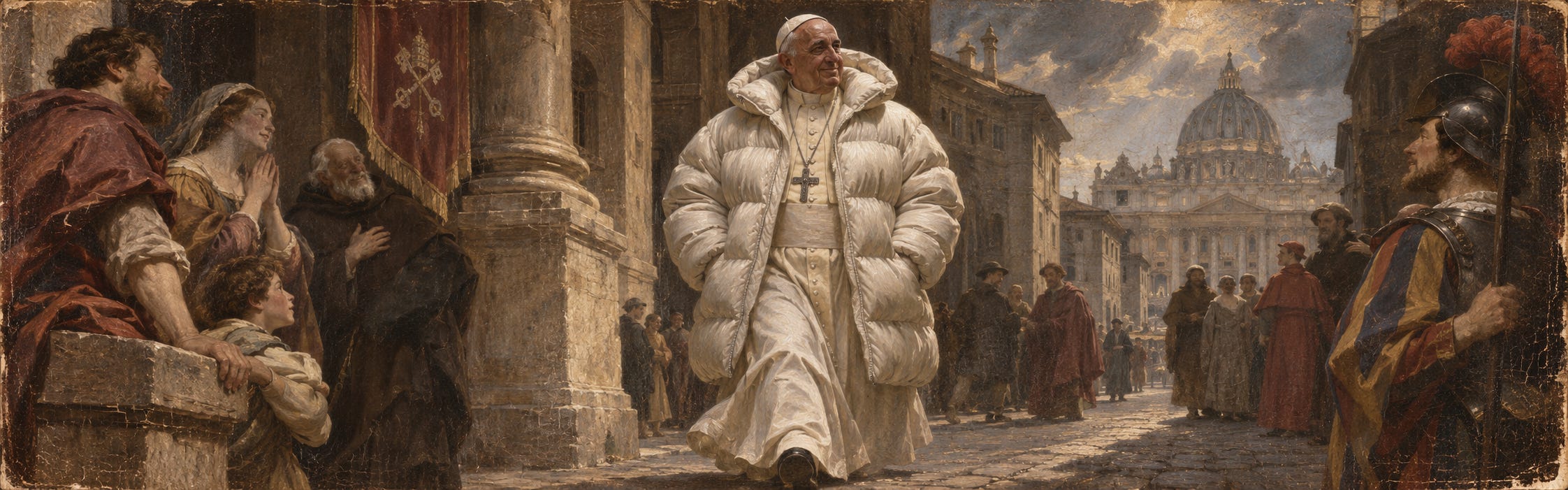
In March 2023, the late Holy Father, Pope Francis, became an unlikely fashion icon. A photograph showed him strolling through the streets in an enormous white puffer jacket, as if the Vatican had a deal with Balenciaga. For a brief moment, the Holy Father looked less like he was heading to Sunday Mass and more like he had a front-row invitation to Milan Fashion Week.
The photograph was fake. A man in Chicago had created it using Midjourney, an AI image generator.1
Two months later, a different image circulated online. This appeared to show smoke near the Pentagon. News accounts amplified it, stocks briefly dipped, and officials had to explain that nothing had exploded. The image was false again.2
One fake picture gave the Pope excellent taste in fashion. Another spooked financial markets.
The real concern was that evidence could now be created for events that had never happened.
The Evidence Problem
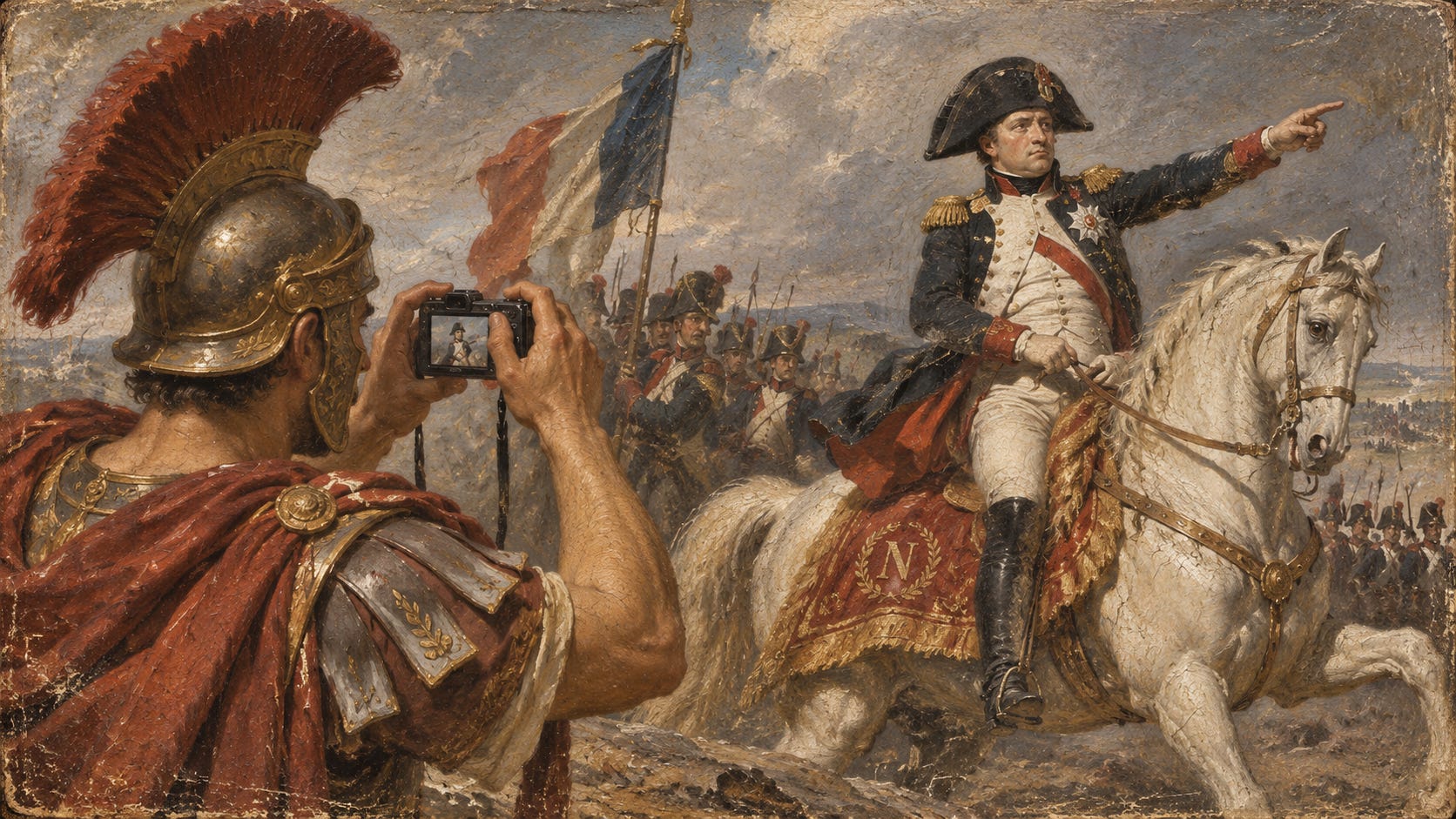
For years, we treated photographs as witnesses. A photograph could be cropped, staged, or retouched, certainly, but we generally assumed a camera had been pointed at something that existed. Even a misleading image usually began with a real scene.
Generative AI has broken that comfortable arrangement. A photograph no longer needs a photographer. An audio recording no longer needs someone to say the words. A video can depict an announcement that nobody made, in a room nobody entered, on a Tuesday that never happened.
The internet was already excellent at distributing information before checking it. Now it can distribute entirely invented evidence with the same enthusiasm.
When anyone can produce convincing content, what becomes valuable?
Perhaps the expensive part of information will no longer be making it. Perhaps it will be proving where it came from.
A Passport for Pixels
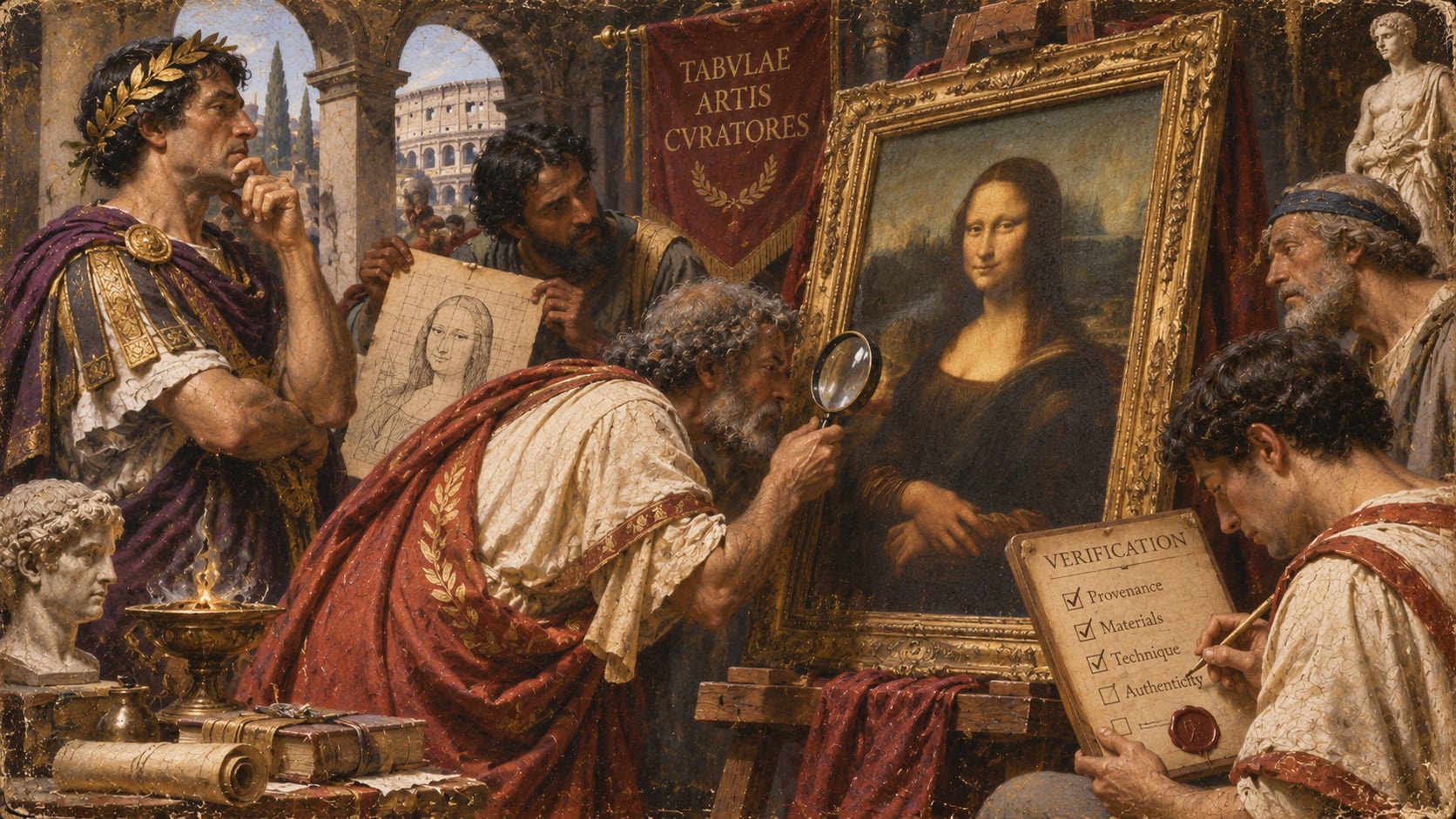
There is a name for this: digital provenance. It means keeping a verifiable record of an item’s origin and history. Art dealers use provenance to trace paintings through previous owners. Food suppliers use traceability records to follow ingredients. The digital version asks similar questions of photographs, documents, software, and data.
Who made this? With which tool? What was changed? Can the record be checked?
Gartner listed digital provenance among its top strategic technology trends for 2026, framing it as a way to verify the origin and integrity of digital assets.3 Behind the corporate vocabulary is a wonderfully ordinary idea: the internet needs a receipt.
One approach is Content Credentials, based on standards from the Coalition for Content Provenance and Authenticity (C2PA). Compatible cameras and applications can attach cryptographically signed information to a file. Verification software can then check whether those signed claims have been altered.
In 2023, Leica introduced the M11-P, a camera capable of attaching Content Credentials when a photograph is captured. Imagine taking a picture and giving it something like a passport before it leaves the camera.
Not a passport that says, “Everything in this picture is true.” More like one that says, “Here is what we can establish about its journey.”
That distinction matters enormously.
A Receipt Is Not the Truth
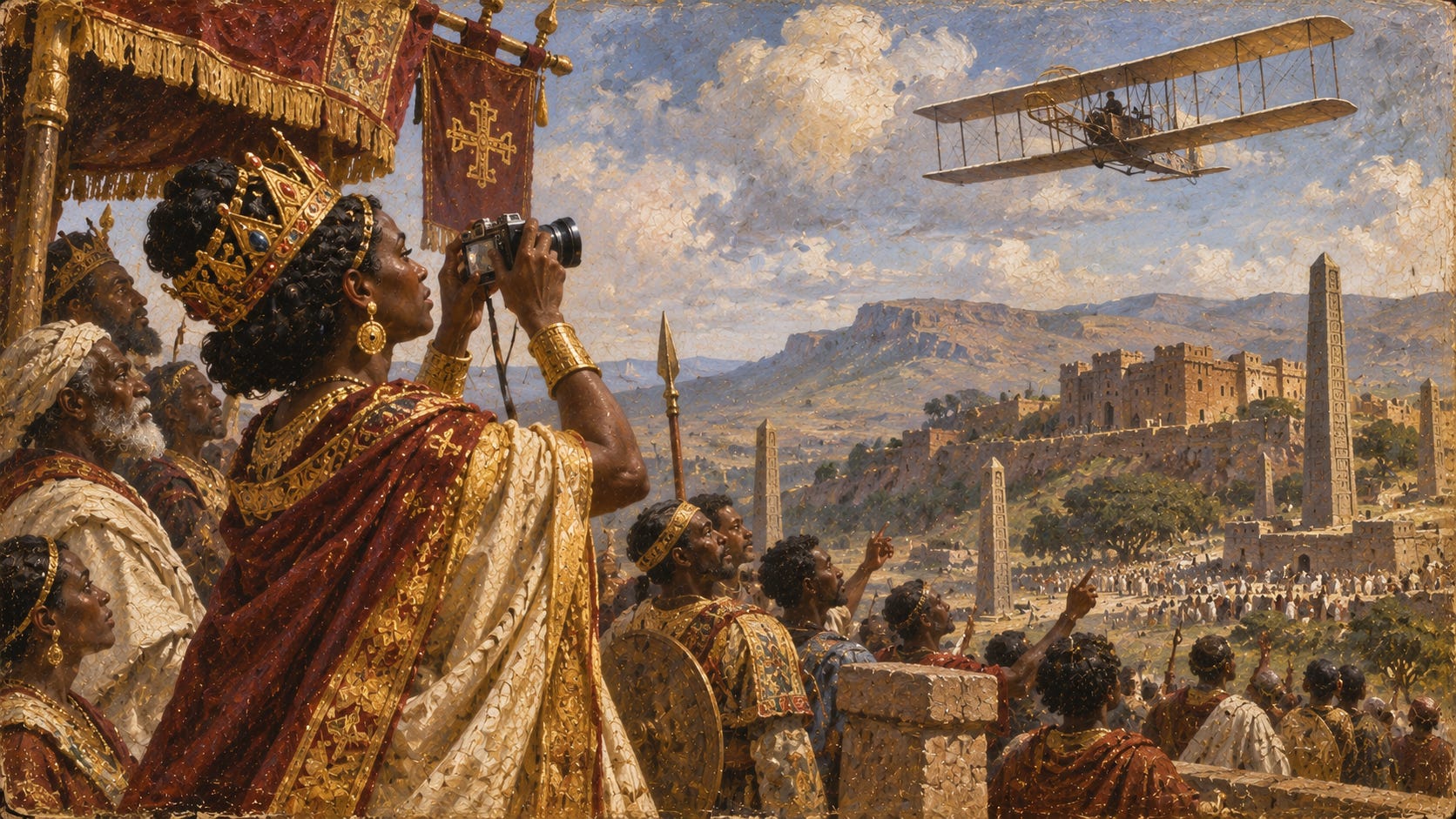
But there is a catch. Just because an image is authentic does not mean the story behind it is true.
A genuine photograph taken ten years ago could be shared today with a completely misleading caption. Its digital signature might be valid, its history intact, and every technical check could pass. Yet the information being presented would still be false.
Cryptography can help establish whether a file or its credentials were tampered with. It cannot tell you whether a caption is dishonest, a scene was staged or an important detail sits conveniently outside the frame. C2PA itself makes clear that provenance does not establish whether media depicts the truth.4
And the opposite is just as important. A perfectly genuine photograph might have no digital credentials at all, simply because it was taken on an older phone or shared through an application that removed its metadata.
If we start assuming that everything without a digital signature is fake, we risk creating a world where credibility depends on the technology someone can afford.
After all, reality should not require a premium subscription.
The Trust Deficit
There is another consequence of synthetic media, and it might be worse than believing a fake.
It is refusing to believe something real.
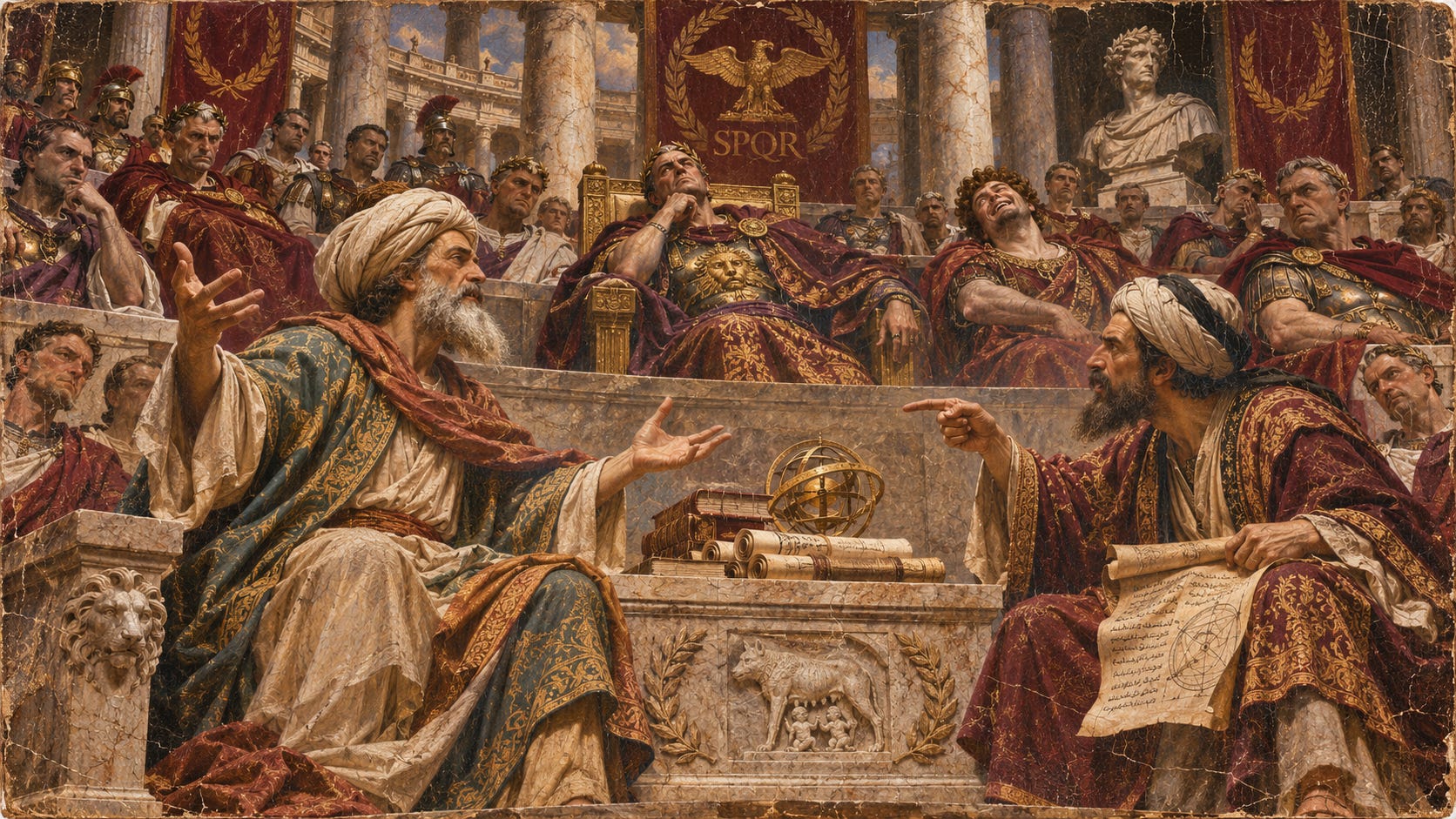
Legal scholars Bobby Chesney and Danielle Citron call this the liar’s dividend: when convincing fakes become common, someone confronted with genuine evidence can simply claim it was generated by AI.5
A recording emerges. A public figure denies it. Supporters call it a deepfake. Suddenly, instead of discussing what happened, everyone is arguing about whether anything happened at all.
The danger is not merely a world full of convincing lies. It is a world where truth has to fight for permission to be considered.
No watermark can solve that alone. We will still need journalists, independent witnesses, corroborating records and people willing to change their minds when evidence contradicts their favourite theory.
An unpleasant requirement, I know.