

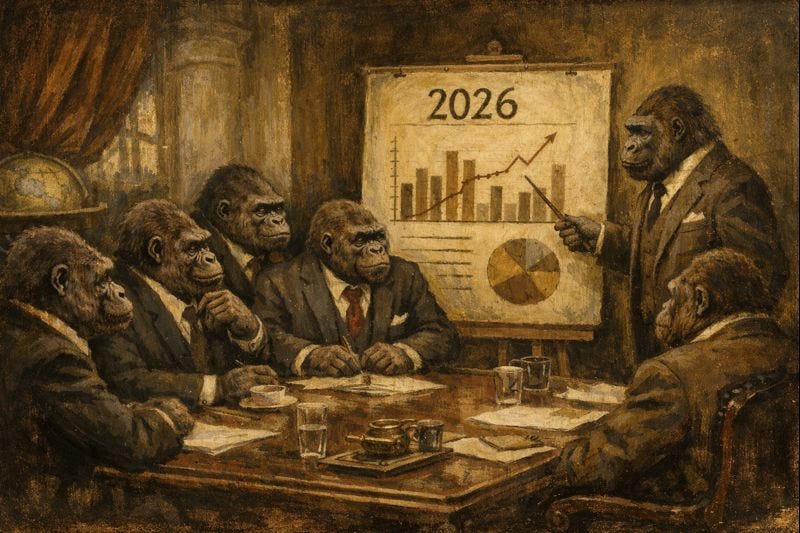
The story starts in a meeting room filled with polite nods and professional silence. It was the kind of room where everyone arrived fully prepared, or at least made an effort to appear prepared. A large screen glows at the front. A presentation sits there confidently, layered with gradients, benchmarks, and reassuring arrows pointing upward. It feels authoritative. It feels final.
And it is wrong.
Not obviously wrong. It's not blatantly wrong. Just wrong in the way that matters most. The kind of wrong that passes through three meetings without resistance. The numbers look credible. The charts are smooth. The labels sound intelligent. Decisions begin to form around it.
Then someone breaks the rhythm. Not loudly. Not aggressively. Just curious enough to be inconvenient.
“Where did this come from?”
The room pauses. Eyes shift. Someone scrolls. Someone clears their throat. The answer exists somewhere, theoretically, but not in the room. Not in that moment. What follows is not panic, but something more uncomfortable. Realization.
That quiet pause, more than any product launch or model release, captures what 2026 is really about.
For the first time in a long while, technology is no longer the loudest voice in the room. Understanding is.
The End of AI as a Party Trick
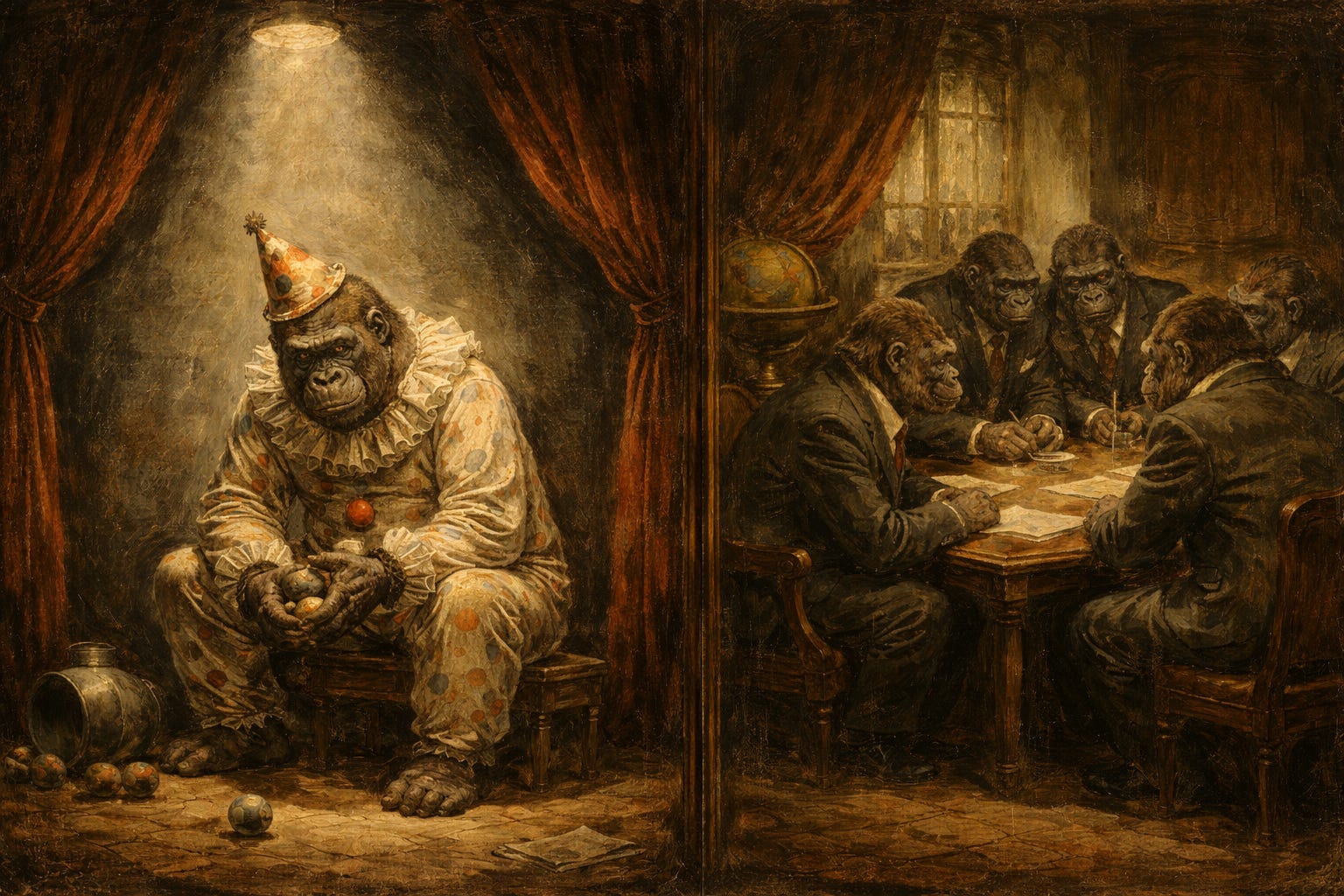
AI behaved like a talented guest. It arrived early, impressed everyone, and quickly made itself useful. It wrote emails that sounded confident. It summarized meetings people barely attended. It generated strategies in minutes that once took weeks. Every now and then, it hallucinated with extraordinary self-belief, but even that was often forgiven because the output looked polished enough to pass.
By 2026, the novelty finally wears off. Not because AI failed, but because organisations grew tired of being impressed instead of being correct. Applause turns into scrutiny. Speed is no longer enough. Accuracy, context, and responsibility start to matter more than clever phrasing or fast answers.
AI now earns its place quietly. It sits in the background, supporting decisions rather than announcing them. It prepares options, surfaces patterns, and highlights risks instead of pretending to be wise. The most mature teams stop treating AI like a genius and start treating it like a very fast assistant who still needs direction, boundaries, and supervision. On the surface, this feels like a small adjustment. Underneath, it changes how work is designed, how accountability is assigned, and how trust is built.
The central question has shifted. It is no longer “What can we automate?” That question belonged to the hype phase. The better question in 2026 is “What should remain human?”
Data Stops Hoarding and Starts Explaining Itself
Data in 2026 is no longer measured by size. It is measured by clarity. The era of collecting everything “just in case” finally meets its reckoning. Storage might be cheap. Hallucination is not.
Organisations are discovering that unstructured data behaves like gossip. It spreads quickly, sounds convincing, and collapses under scrutiny. As AI systems consume more data at speed, the cost of ambiguity becomes painfully obvious. Models trained on unclear metrics do not fail loudly. They fail quietly, which is far more dangerous.
This is the year data teams stop acting like librarians and start acting like editors. Datasets are trimmed. Definitions are locked. Ownership is explicit. A metric without context is treated with suspicion rather than admiration. Deleting data becomes open conversation instead of fear.
The Rise of Judgment Over Intelligence
One uncomfortable truth defines 2026. Intelligence, artificial or otherwise, is not the scarce resource. Judgment is.
AI can generate ten options in seconds. It cannot tell you which one aligns with your values, your risks, or your responsibilities. That burden remains human. The most valuable professionals are no longer those who know the most tools, but those who know how and when to tune each tool.
This is where the so-called AI expert quietly disappears. In their place emerges something more useful. A translator. Someone who understands the system, the data, the people, and the consequences well enough to say yes, no, or not yet with confidence.
Work Changes Shape, Not Meaning
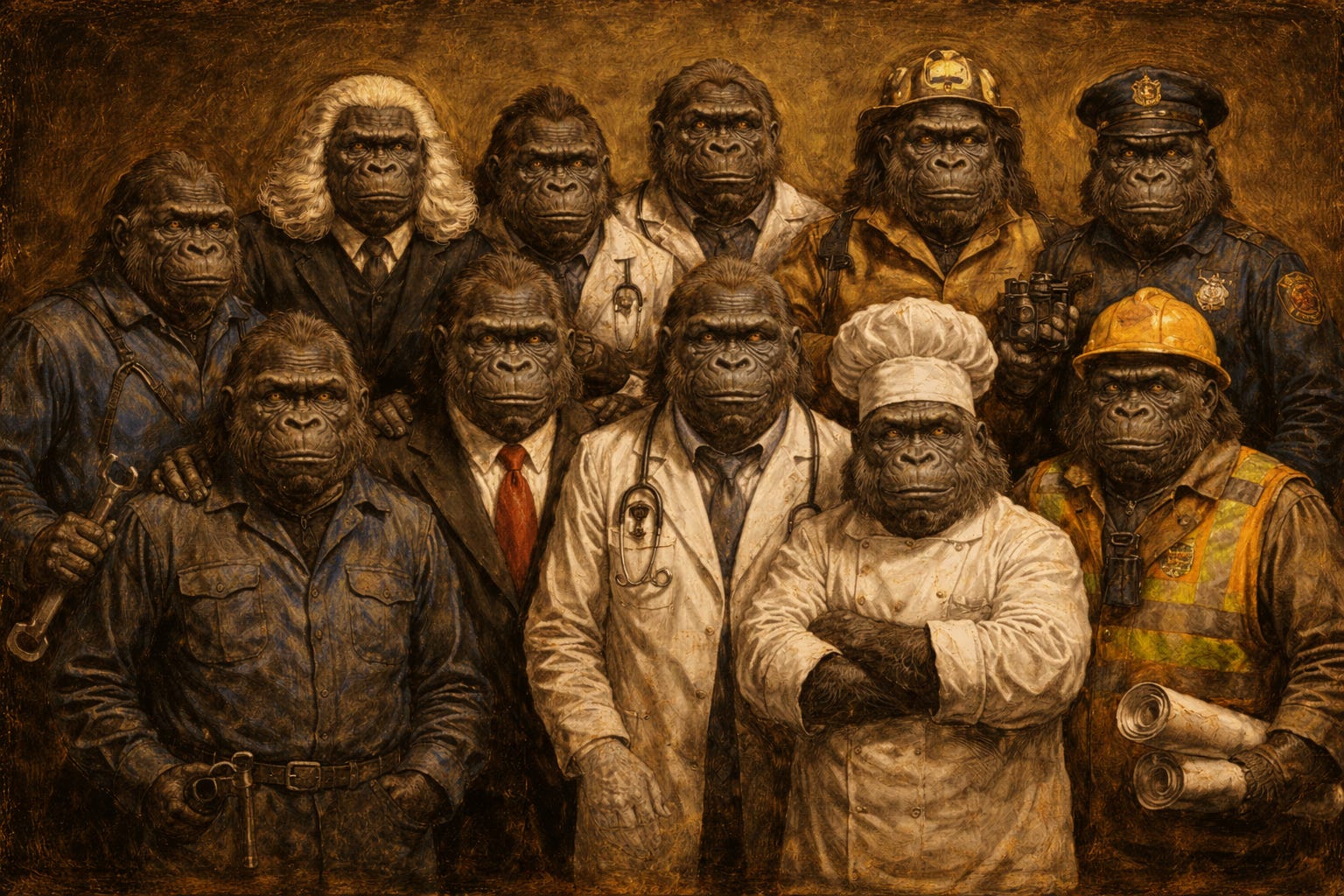
Despite the fear, work does not vanish in 2026. It sharpens. Roles built on repetition finally admit they were always temporary. What replaces them is not chaotic but simply focused.
Small teams move faster because waiting disappears. Analysis arrives on time. Context follows automatically. Meetings become shorter not because people care less, but because the groundwork is already done. AI handles preparation. Humans handle accountability.
The quiet shift is this. Output matters less than decisions. Productivity is no longer about doing more. It is about deciding better, sooner, and with fewer regrets.
Governance Becomes Everyone’s Problem
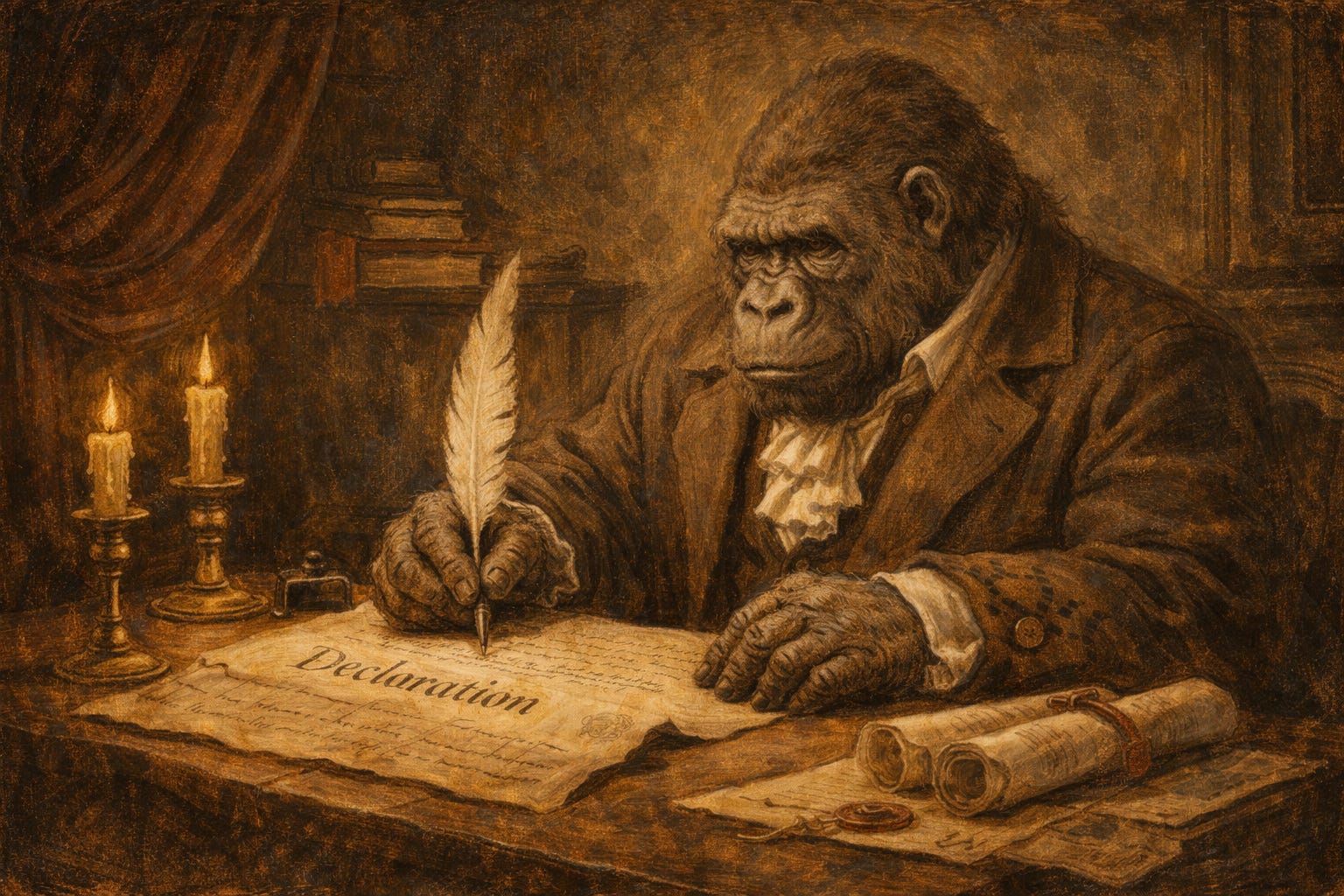
Governance used to live in policy documents that nobody read. In 2026, it moves into daily operations. Who can access this data? Why does this model exist? When should this dataset expire? These questions stop being legal theatre and start becoming product design.
Trust emerges as the real competitive advantage. Users do not ask how powerful your AI is. They ask whether you understand it yourself. The organisations that answer clearly earn loyalty. The ones that hide behind complexity lose it quickly.
The Prediction That Refuses to Be Exciting

Here is the uncomfortable forecast. The future is not dazzling. It is disciplined.
AI will not rescue messy thinking. Data will not compensate for unclear leadership. Automation will not forgive organizations that refuse to slow down long enough to understand themselves.
2026 belongs to teams that design calm systems in a noisy world. Systems that explain themselves. Systems that fail safely. Systems that respect the limits of intelligence, including their own.
Before You Scroll Away
If there are no data principles or frameworks in your AI roadmap, it is time to pause. If your dashboards multiply faster than your decisions, pause again. Clean one dataset. Rewrite one definition. Turn one automation off and see what breaks.
The future will not announce itself with a product demo or a keynote slide. It will arrive quietly, in meetings that feel slightly uncomfortable but far more deliberate, in systems that explain themselves instead of dazzling, and in teams that choose clarity over cleverness and restraint over speed. AI and data will still be everywhere and get even more impressive, but the difference in 2026 is that we will finally know why they are there. I am thinking about this as I slice up some plantain to fry, hoping to have an evening filled with a comforting meal. Nothing fancy. Just intention. This is where things stop being hypocritically impressive and start becoming powerful.

Before you scroll.
I’m collecting quick insights on African-inspired design, culture, and usability in tech. It takes under two minutes, and it feeds a larger African UX research series.
Footnotes
Observations are based on cross sector enterprise AI adoption and data maturity patterns observed between 2024 and 2026.
Governance and transparency trends informed by OECD AI policy guidance and EU AI Act implementation frameworks.
Workforce transformation insights adapted from World Economic Forum and McKinsey Global Institute research on AI augmented work.
If this made you slightly uncomfortable, perfect. That means you are paying attention.