

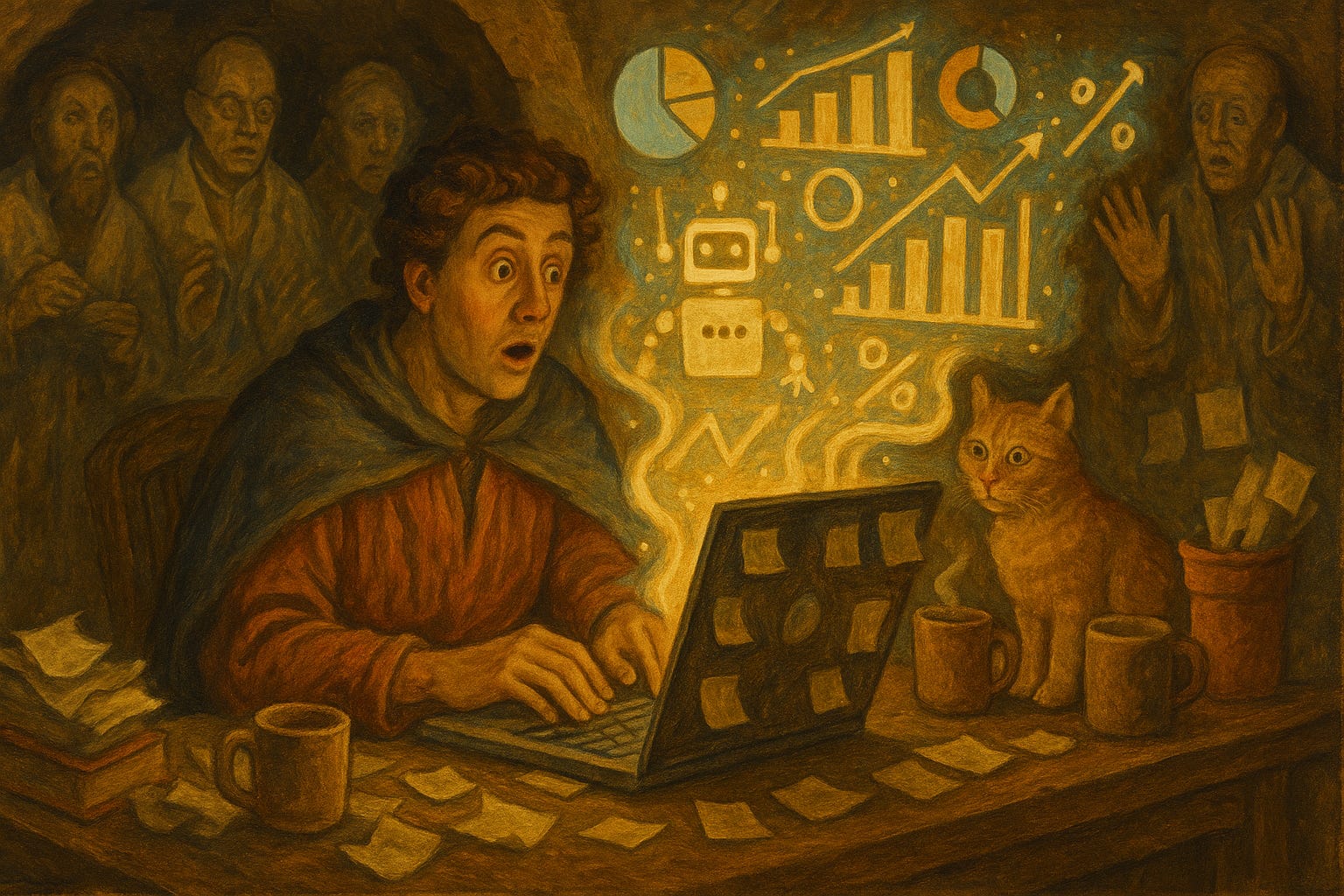
It began, as all revolutions do, with mild confusion and the testing of waters.
It started with someone typing,
“Hey ChatGPT, can you clean this spreadsheet and tell me what’s wrong with my sales data?”
Just like that, without a lab coat, a whiteboard full of equations, or even a cup of burnt coffee, a new kind of data analyst was born.
Meet the accidental genius.
Thus, the Age of Accidental Geniuses was born, an era in which data science is no longer confined to the ivory towers of academia but is accessible to anyone who can type a halfway decent sentence.
Chapter 1: The democratization of data sorcery
Once upon a time, becoming a data scientist required a PhD, a beard of wisdom, and a tolerance for late-night R errors. Today, you just need the right prompt.
Suddenly, prompt engineering, a phrase that didn’t exist five years ago, became the modern philosopher’s stone. Ordinary people discovered that they could automate reports, generate predictive insights, and even visualize data without needing to write a single line of code.
Large Language Models (LLMs) have turned technical mysticism into conversational problem-solving. The average marketer can now run regression-like insights. HR interns are doing cluster analysis without realizing it. And your mom? She’s using AI to track her grocery spend.
We are all, quite unintentionally, data analysts with imposter syndrome.
But the real magic isn’t the AI; it’s the human talking to it.
Chapter 2: The beautiful chaos of “good enough”
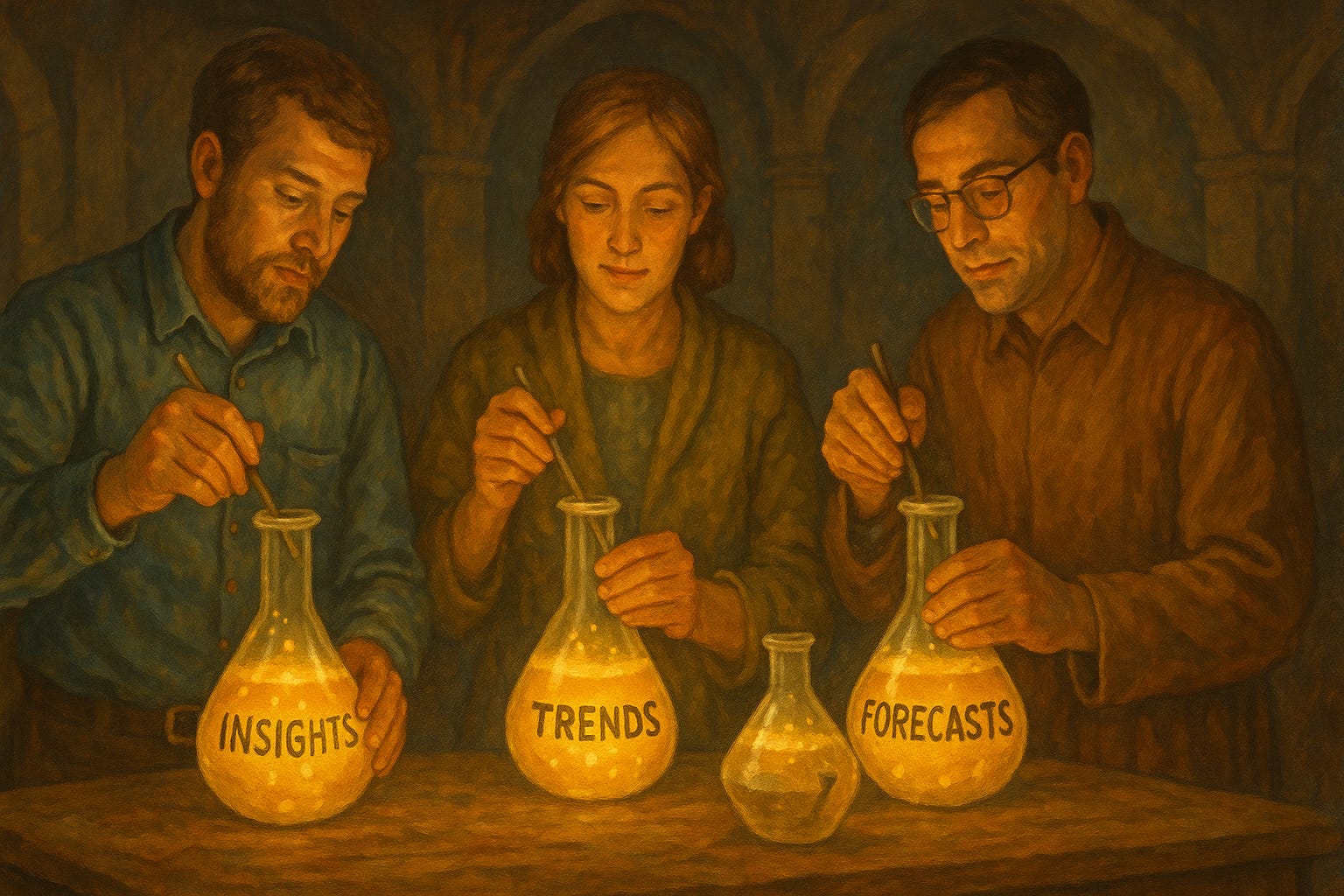
The rise of prompt engineering isn’t without side effects. The new generation of “data dabblers” is wielding machine intelligence like toddlers with lightsabers.
They’re fast. They’re curious. They’re occasionally catastrophic.
But that’s the beauty of it. Innovation rarely comes from those following all the rules; it comes from the chaos of experimentation. The same people who once Googled "how to write a formula" are now fine-tuning AI workflows that cause senior analysts to feel pressure.
They may not know how the model works, but they certainly know how to make it work for them.
Chapter 3: The new meritocracy of prompts
In this era, intelligence isn’t about credentials; it’s about curiosity.
The smartest person in the room isn’t the one who knows everything but the one who can ask the machine anything in just the right way.
We are witnessing a quiet dismantling of academic gatekeeping.
Doctorates still matter, but so do individuals who can translate ideas into prompts that inspire discovery.
In the Age of Accidental Geniuses, your creativity serves as your credential.
Chapter 4: The gentle art of conversing machines
Writing a good prompt is similar to dating an algorithm; clarity, tone, and context are essential.
The difference between “Summarize this data” and “Summarize this data as if you’re a McKinsey analyst with a caffeine problem” can be the difference between “meh” and “wow.”
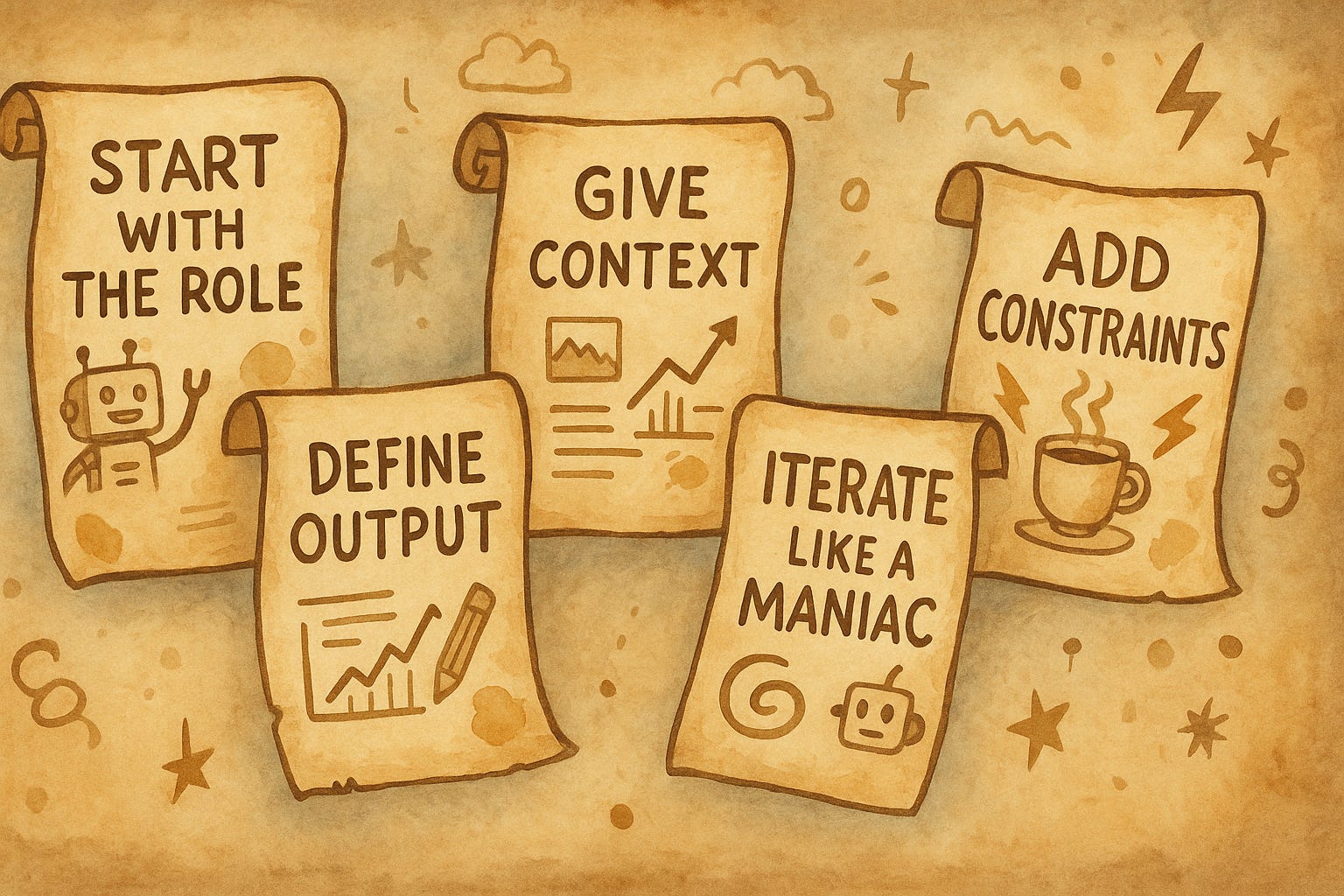
Here is the cheat sheet that no one taught you in grad school.
Start with the role.
“You’re a data analyst helping me understand sales trends.”
AI loves job titles. It’s basically LinkedIn with a brain.
Give it context.
“The dataset includes customer age, region, and purchase amount.”
The more details you give, the less your AI acts like a confused intern.
Define the output.
“Show me a summary with three insights, one chart idea, and a cheeky headline.”
Tell it how to think, and it’ll surprise you with why.
Add constraints.
“Use simple language, limit jargon, and sound like a Netflix narrator.”
You’re not commanding, you’re curating.
Iterate like a maniac.
Great prompts are born, not typed. Tweak, test, and rephrase until the machine starts saying things that make you look smarter.
Chapter 5: Prompt as performance
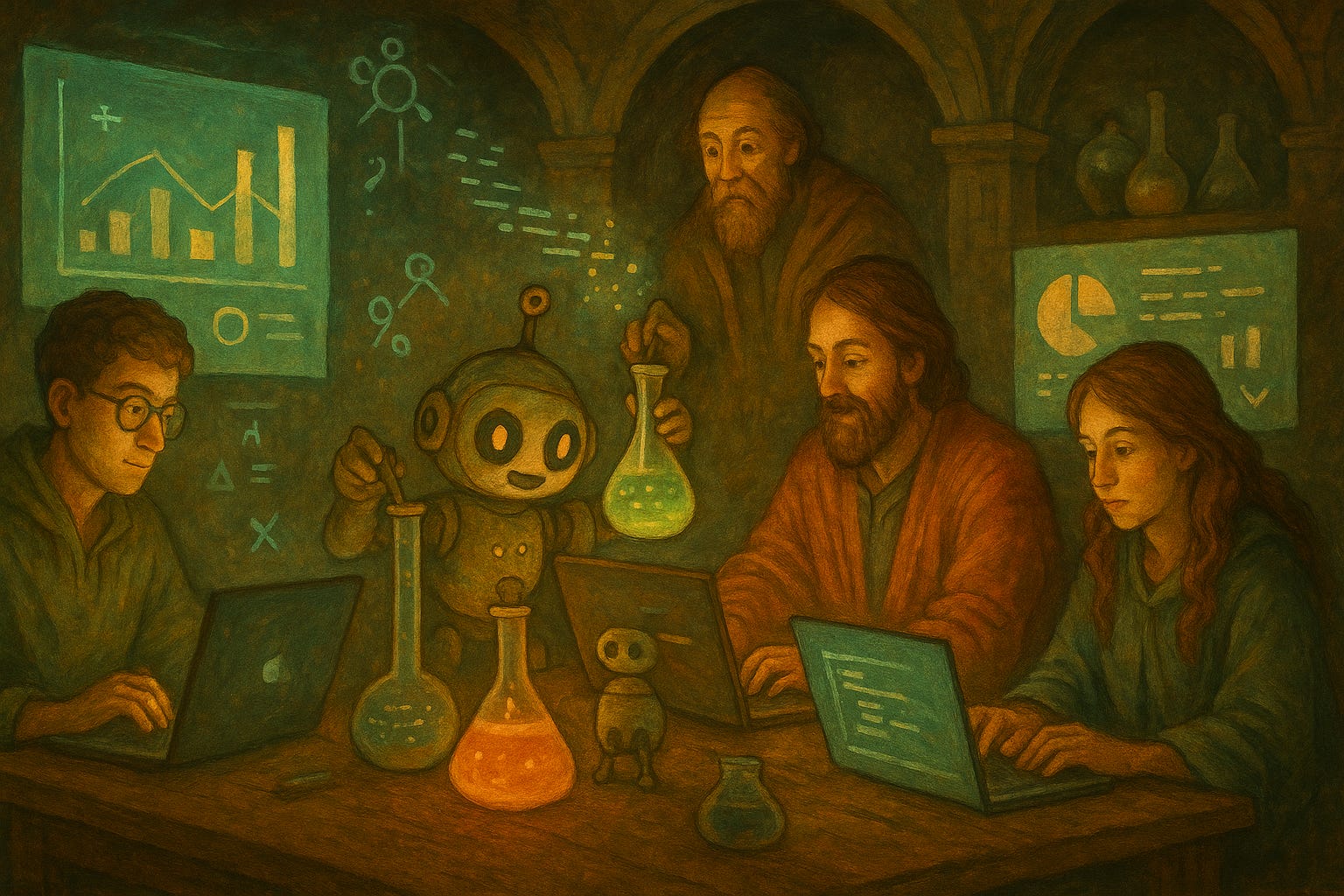
Good prompt engineers are part artist, part psychologist, and part chaos theorist. They don’t code; they converse.
They understand that every AI system is like a moody collaborator: brilliant, quick, and occasionally delusional.
The best prompters don’t ask “What can AI do?”
They ask, “How can I get it to do what I actually mean?”
In At that moment, intelligence stops being about IQ and starts being about instructional quality.
We are teaching humans to code less and machines to think like humans.
The results are spectacularly messy and profoundly human.
Chapter 5: A new kind of genius
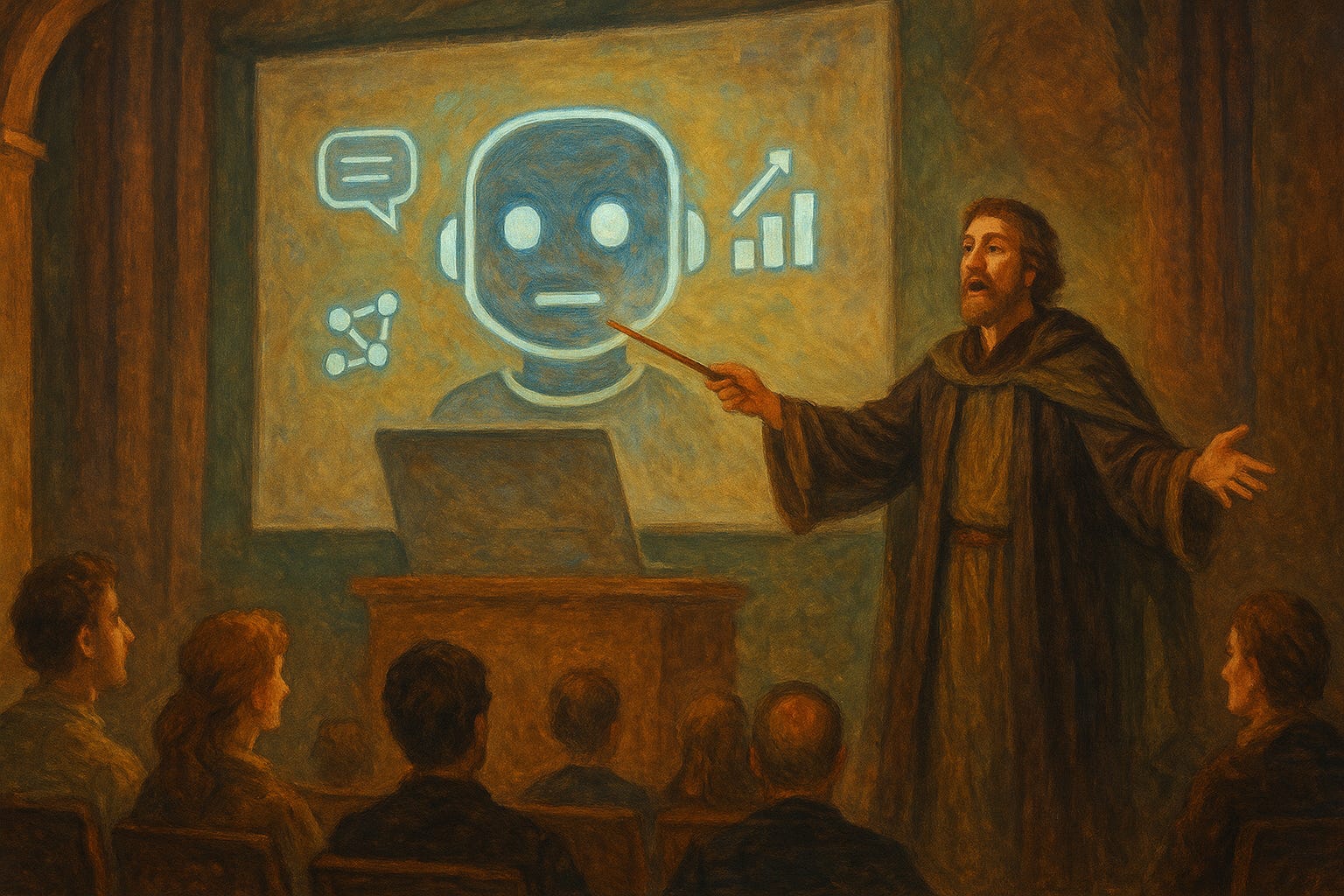
In this new world, creativity is currency.
You don’t need a thesis on neural networks; you need curiosity, context, and just enough self-doubt to keep improving your prompts. The person who can blend storytelling, data, and a sense of humor will outshine those who can only write formulas.
AI doesn’t replace your brain, it multiplies it.
We’re living through the world’s largest group project, where everyone’s cheating off everyone else and somehow still learning.
Epilogue: The PhD of “Symphony”
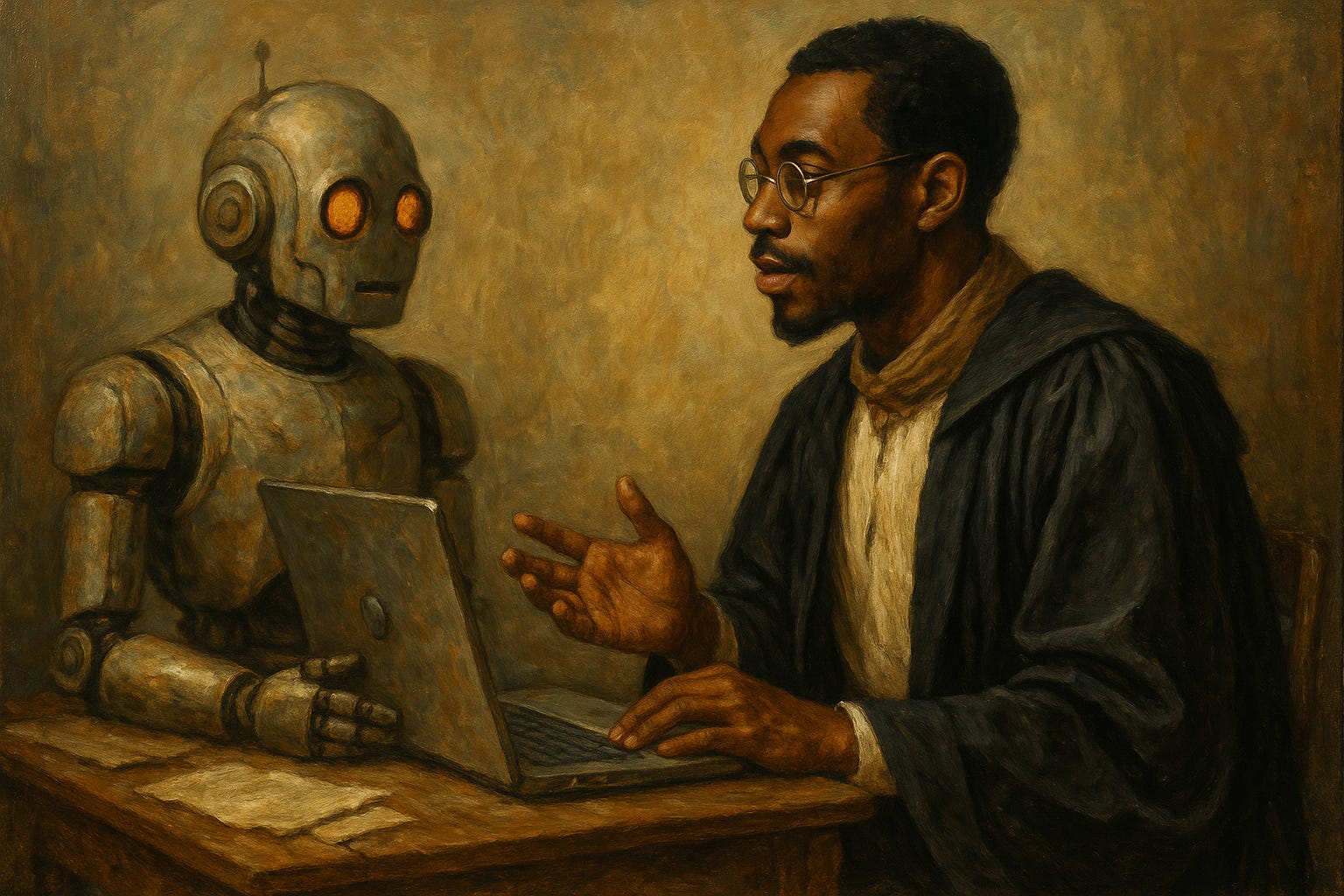
The next time you type a prompt, remember: you’re not just talking to a machine; you’re conducting a symphony of logic, pattern recognition, and statistical inference dressed up as conversation.
You are wielding a technology that can make anyone appear brilliant for at least 30 seconds at a time.
That’s power.
That’s dangerous.
That’s modern-day alchemy.
Welcome to The Age of Accidental Geniuses, where the only thing standing between you and a data-driven revelation… is your punctuation.
Notes:
Fun fact: 73% of all people who say “I’m not a data person” are now secretly running data analysis on weekends.
The future belongs to those who can explain things simply, not those who can complicate them beautifully
This is my new watchword: The future belongs to those who can explain things simply, not those who can complicate them beautifully.
This is so brilliantly written. I learnt a lot from this article. Thank you for sharing and write more often - I’ve missed reading your substack 💚